The ScheduleLens Blog
Practical guides on construction scheduling, delay analysis, and programme review — written for the people who review contractor programmes, not just those who build them.
-
 How-To 8 min
Asta Powerproject Schedule Review: How to Check a .pp Programme
How to review a contractor's Asta Powerproject programme: what a .pp file holds, the checks to run, and the progress and baseline traps in Powerproject.
Read article → -
 How-To 10 min
The RICS AI Standard and Programme Review: Which Tools Count, and What You Must Record
Which scheduling and programme-review tools fall inside the RICS Responsible use of AI standard, how the material impact test works, and what you must record.
Read article → -
 Standards 17 min
FIDIC Sub-Clause 8.3: The Eleven Things Your Programme Must Show
FIDIC 2017 Sub-Clause 8.3 lists eleven things a construction programme must show. Miss the 21-day review window and one nobody approved becomes binding.
Read article → -
 Educational Guide 17 min
What NEC4, FIDIC, JCT and the US Forms Actually Require of Your Programme
NEC4, FIDIC, JCT, AIA and the US federal specs demand completely different things of a construction programme. Two withhold payment. Three ask for nothing.
Read article → -
 Educational Guide 12 min
Two Delay Analysis Methods, One Set of Facts, Opposite Answers
A worked construction example where two delay analysis methods invert which event caused the delay, plus what AACE, the SCL Protocol and CIOB require.
Read article → -
 Educational Guide 11 min
Prospective or Retrospective? What Four English Judgments Actually Say About Choosing a Delay Analysis
What four English judgments say about choosing between prospective and retrospective delay analysis, and why the method label is not what a tribunal decides.
Read article → -
 Educational Guide 16 min
Primavera P6 Schedule Review: The Complete Checklist for Reviewing Contractor Schedules
A step-by-step Primavera P6 schedule review checklist: open XER files, run DCMA 14-Point checks, validate the critical path, compare updates, document findings.
Read article → -
 Educational Guide 22 min
Schedule Analysis Tools and Software: Compared for Construction
Eleven schedule analysis and comparison tools for construction, compared on DCMA 14-point checks, update-to-update comparison, forensic delay analysis and EOTs.
Read article → -
 Educational Guide 17 min
Schedule Manipulation Detection: How to Spot and Document Contractor Schedule Gaming
How to detect the 10 most common schedule manipulation techniques in construction, from hidden float to DCMA-threshold evasion, with step-by-step P6 methods.
Read article → -
 Educational Guide 13 min
Schedule Analytics in Construction: Metrics, Methods, and Tools for Programme Intelligence
Schedule analytics turns programme data into project intelligence. Learn the metrics, tools, and methods construction PMs use to track and forecast performance.
Read article → -
 Guide 13 min
How to Analyse Construction Schedule Quality: A Practical Workflow
Learn how to analyse construction schedule quality step by step: DCMA 14-point checks, logic audits, baseline validation and a client-ready reporting template.
Read article → -
 Guide 12 min
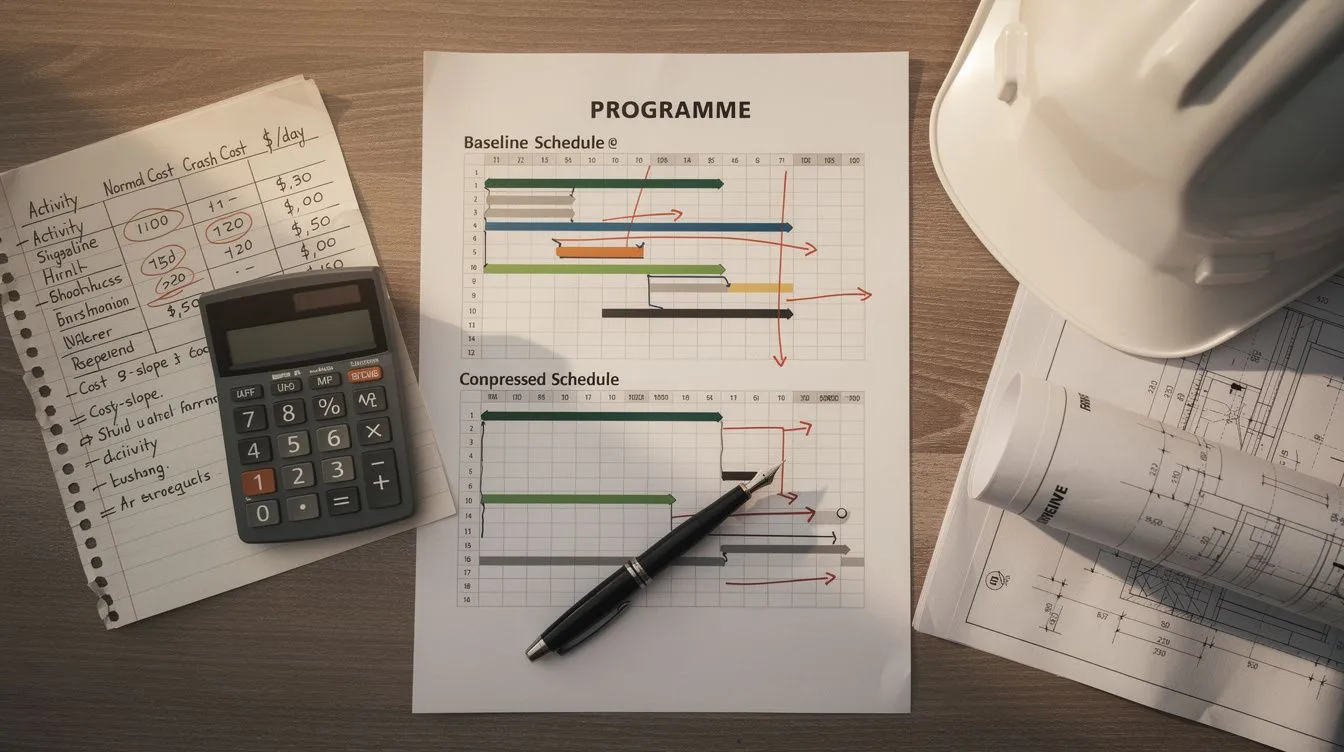
Schedule Compression in Construction: How to Fast Track, Crash and Recover Delay
Schedule compression in construction: fast tracking vs crashing, cost slope analysis with worked examples, the 8-step process, and when not to compress.
Read article → -
 Educational Guide 14 min
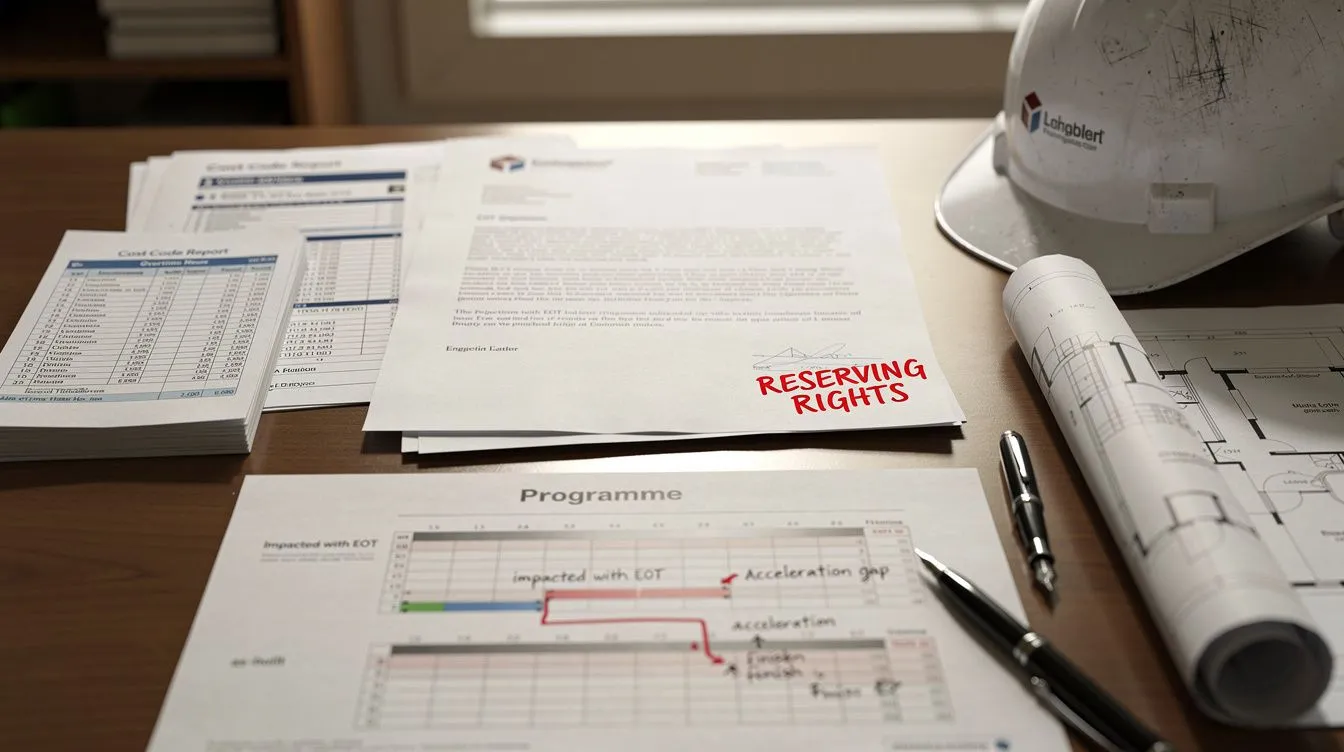
Constructive Acceleration: How to Prove, Document and Defend Against Claims
How to prove constructive acceleration: the 5 elements of proof, schedule analysis methods, jurisdictional differences and documentation requirements.
Read article → -
 Educational Guide 16 min
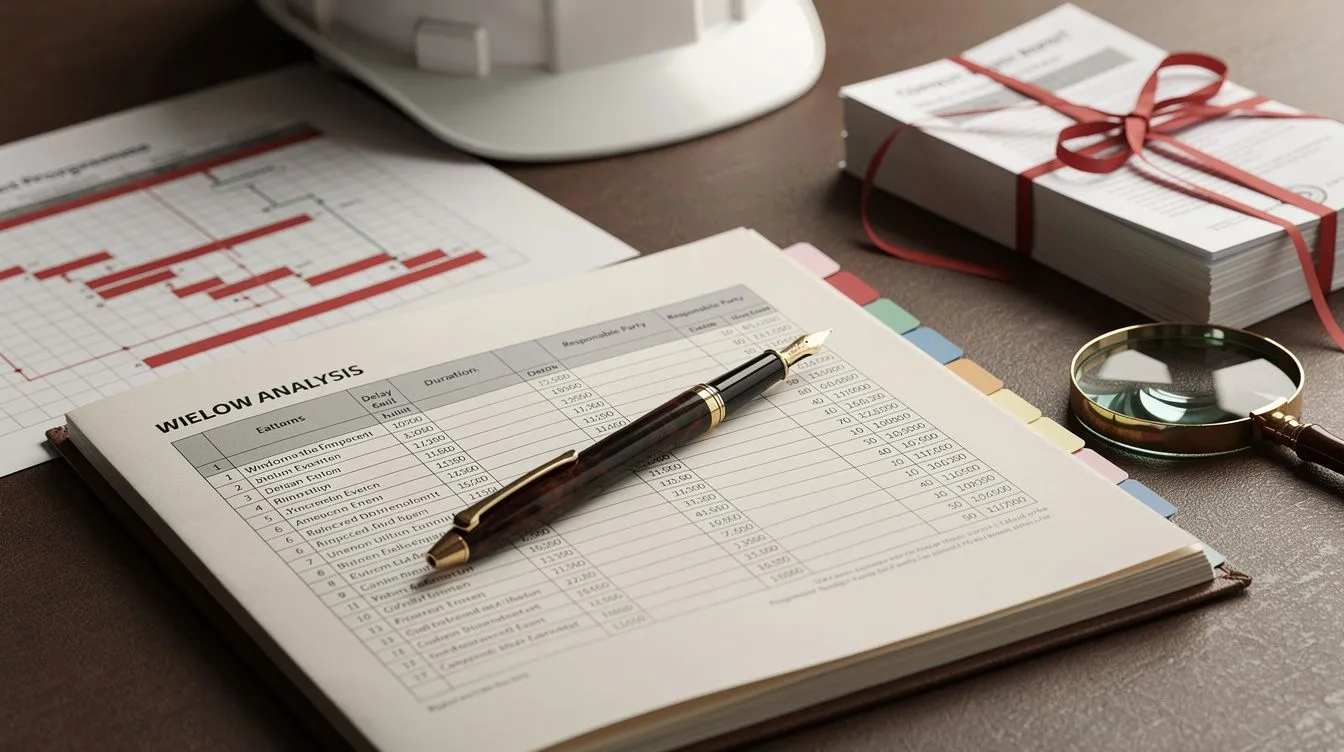
Delay Analysis Report: How to Write, Structure and Review Construction Delay Reports
Learn how to write a delay analysis report: 12-section template, SCL Protocol requirements, AACE 29R-03 disclosure, and how to review opposing reports.
Read article → -
 Educational Guide 14 min
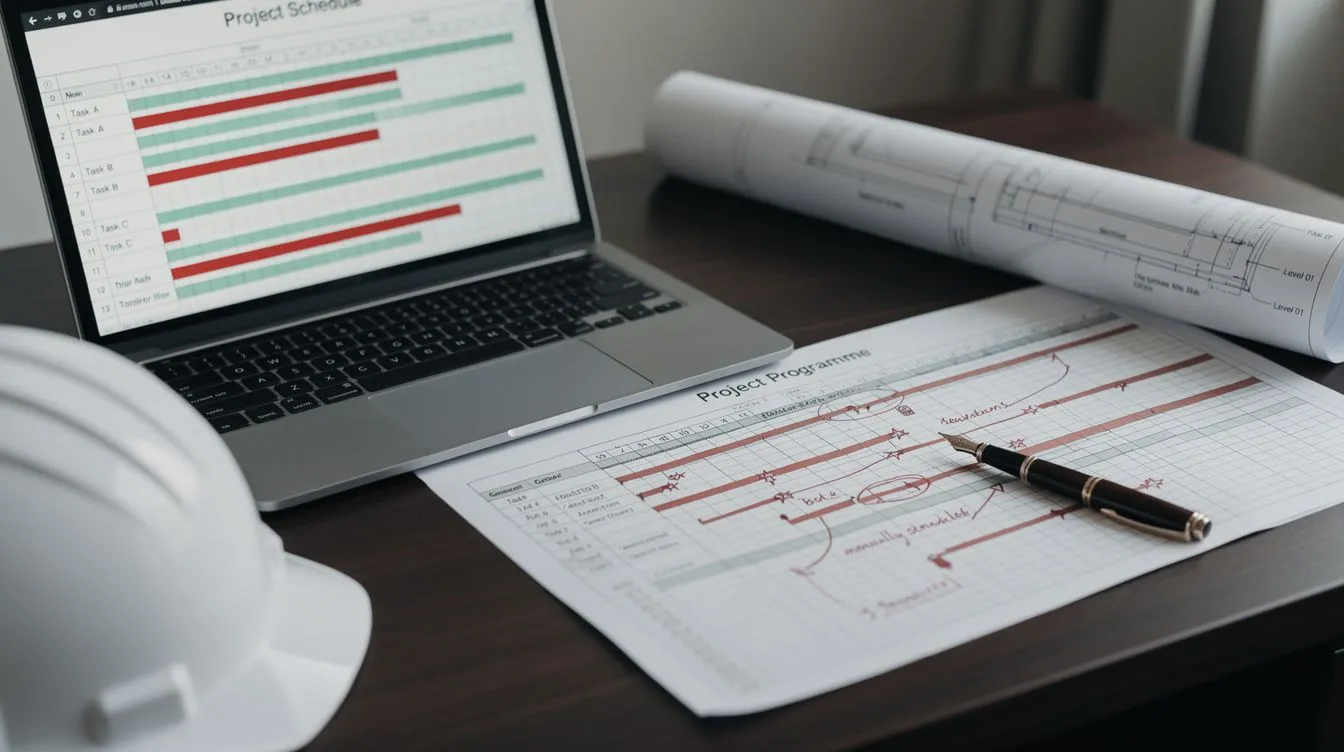
MS Project Schedule Check: DCMA Quality Checklist for MSP
Step-by-step MS Project schedule quality checklist: how to check open ends, constraints, float, critical path, and run DCMA 14-Point in Microsoft Project.
Read article → -
 Educational Guide 16 min
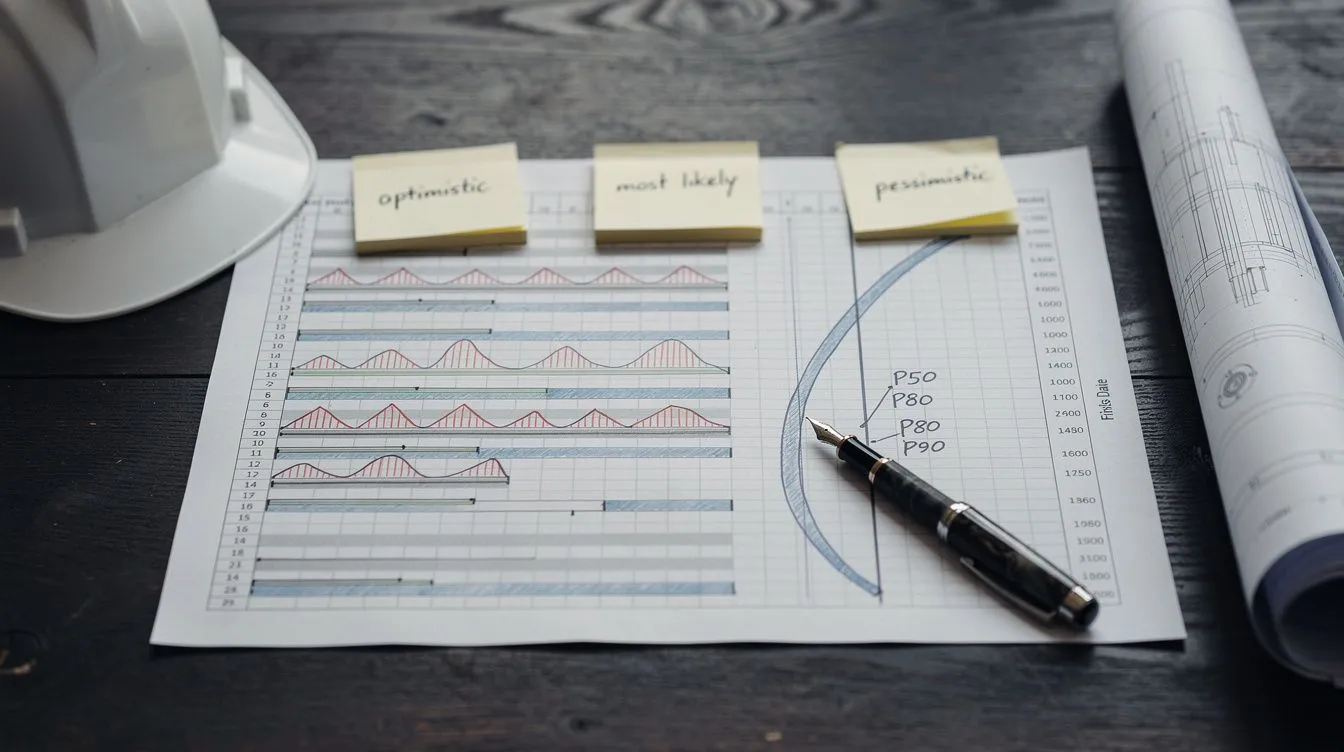
Schedule Risk Analysis: Monte Carlo, QSRA & P80 Contingency in Construction
Complete construction QSRA guide: Monte Carlo simulation, three-point estimates, P80 contingency planning, and step-by-step schedule risk analysis with P6.
Read article → -
 Educational Guide 19 min
Forensic Schedule Analysis: The Construction Guide to AACE 29R-03 Methods, Process and Best Practice
Forensic schedule and delay analysis for construction disputes: nine AACE 29R-03 methods, how to choose one, and each step from instruction to expert report.
Read article → -
 Educational Guide 18 min
Time Impact Analysis (TIA): The Complete Step-by-Step Guide for Construction Delay Claims
Time Impact Analysis (TIA) for construction delay claims: SCL Protocol method for fragnet construction, P6 walkthrough, common mistakes, review checklist.
Read article → -
 Educational Guide 13 min
Baseline Schedule Review: A Step-by-Step Checklist for Contractor Programmes
Baseline schedule review checklist for construction PMs: contract compliance, logic, critical path, DCMA 14-Point quality checks, and monthly update reviews.
Read article → -
 Educational Guide 13 min
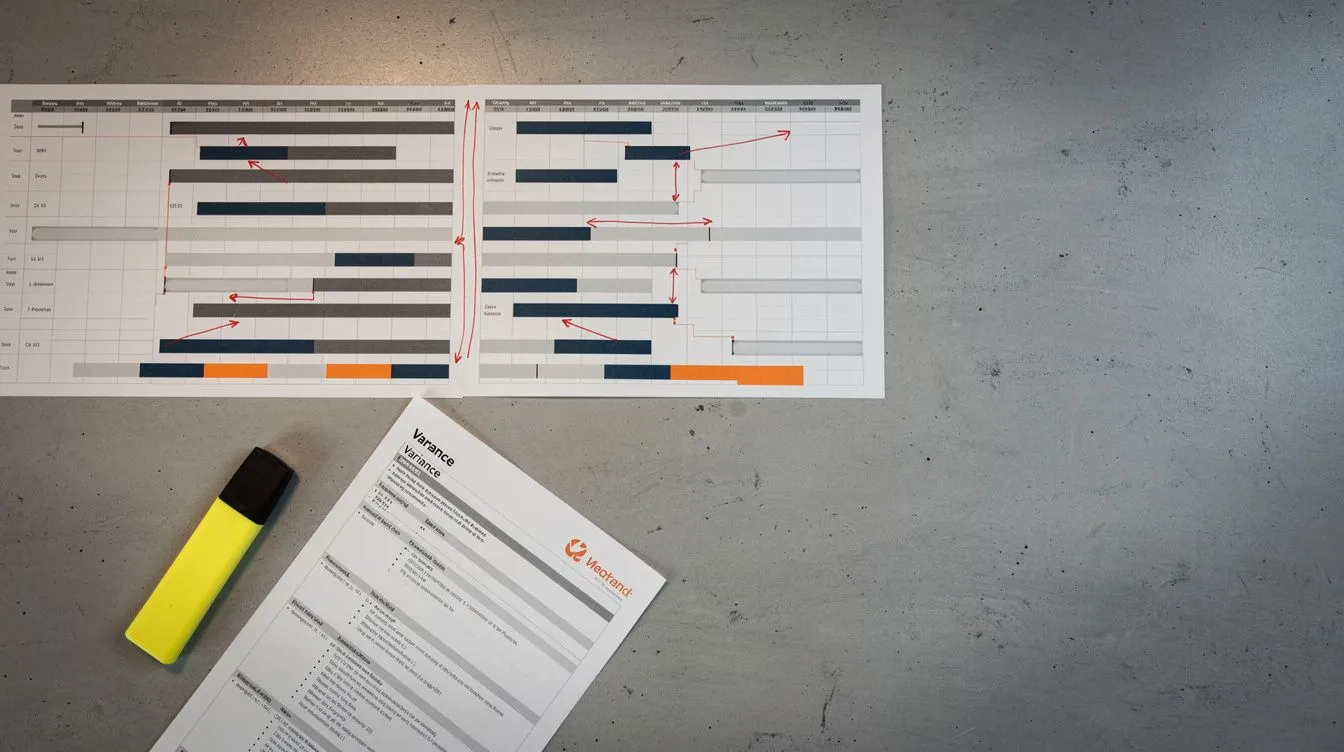
Baseline vs Current Schedule Comparison: How to Identify and Interpret Schedule Variances
Compare baseline and current construction schedules: what changes to look for, how to run the comparison in P6, and what each variance means for your project.
Read article → -
 Educational Guide 14 min
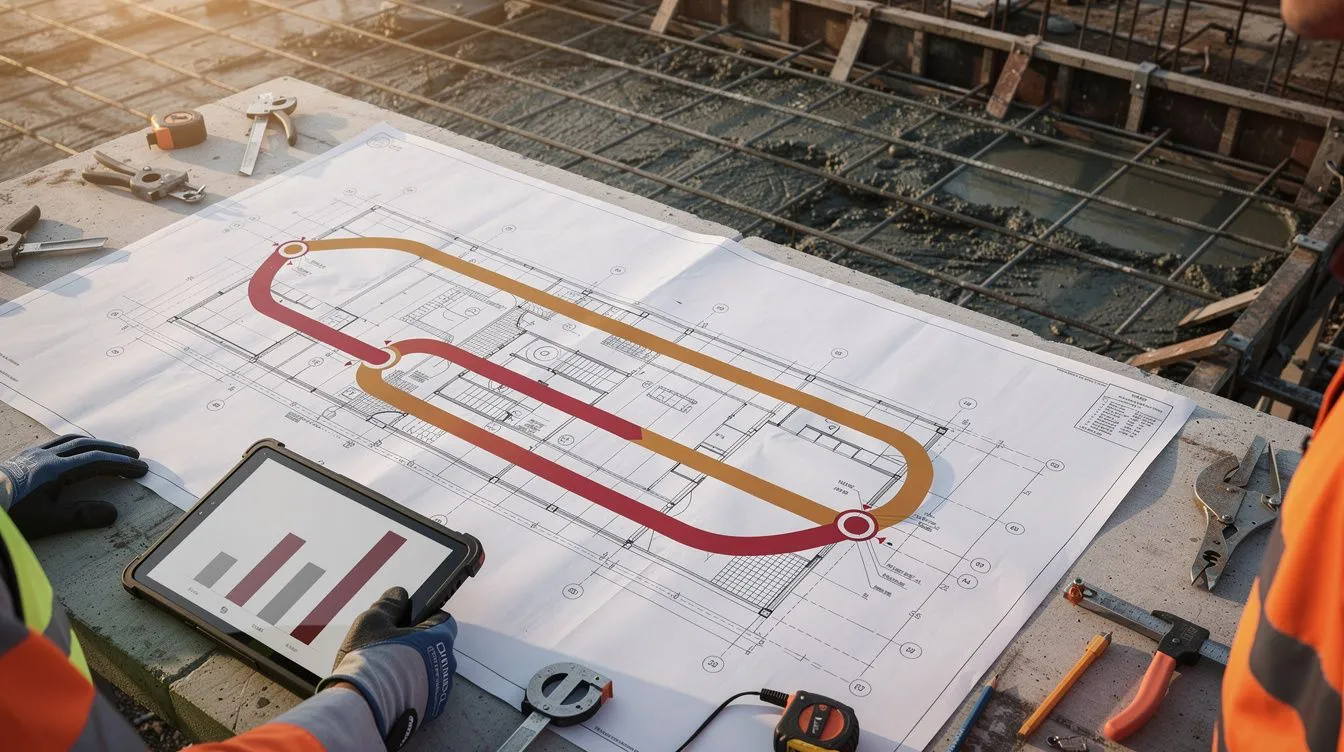
Concurrent Delay in Construction: How to Identify, Analyse and Resolve It
Learn how to identify and analyse concurrent delay in construction: literal vs functional concurrency, the legal tests, and a step-by-step analysis method.
Read article → -
 Educational Guide 13 min
Construction Project Benchmarking: How to Validate Schedule Durations Against Industry Standards
Learn how to benchmark construction schedule durations against industry data. Covers methods, data sources, duration ranges by project type, and EOT claims.
Read article → -
 Educational Guide 15 min
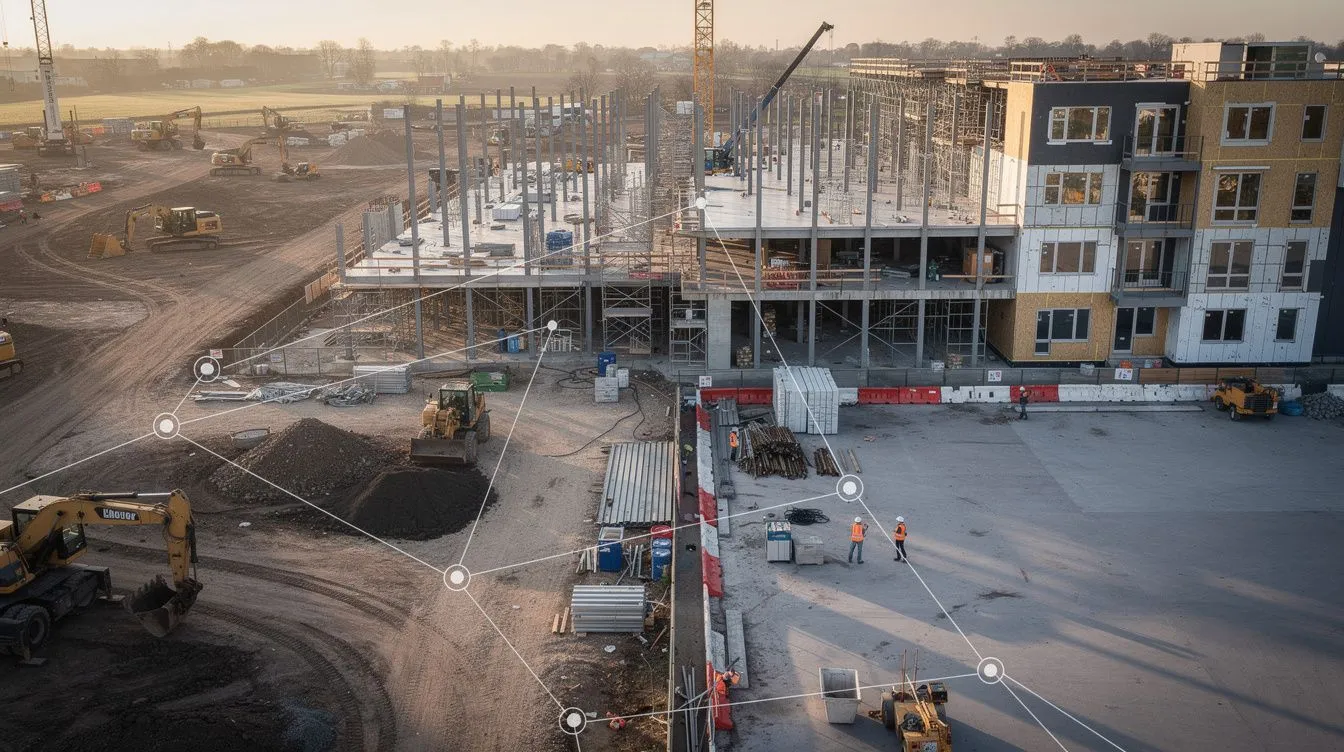
Critical Path Method in Construction: How to Identify, Validate and Monitor the Critical Path
Learn how the critical path method works in construction, how to find and validate the critical path in P6, and why monitoring it prevents project delays.
Read article → -
 Educational Guide 13 min
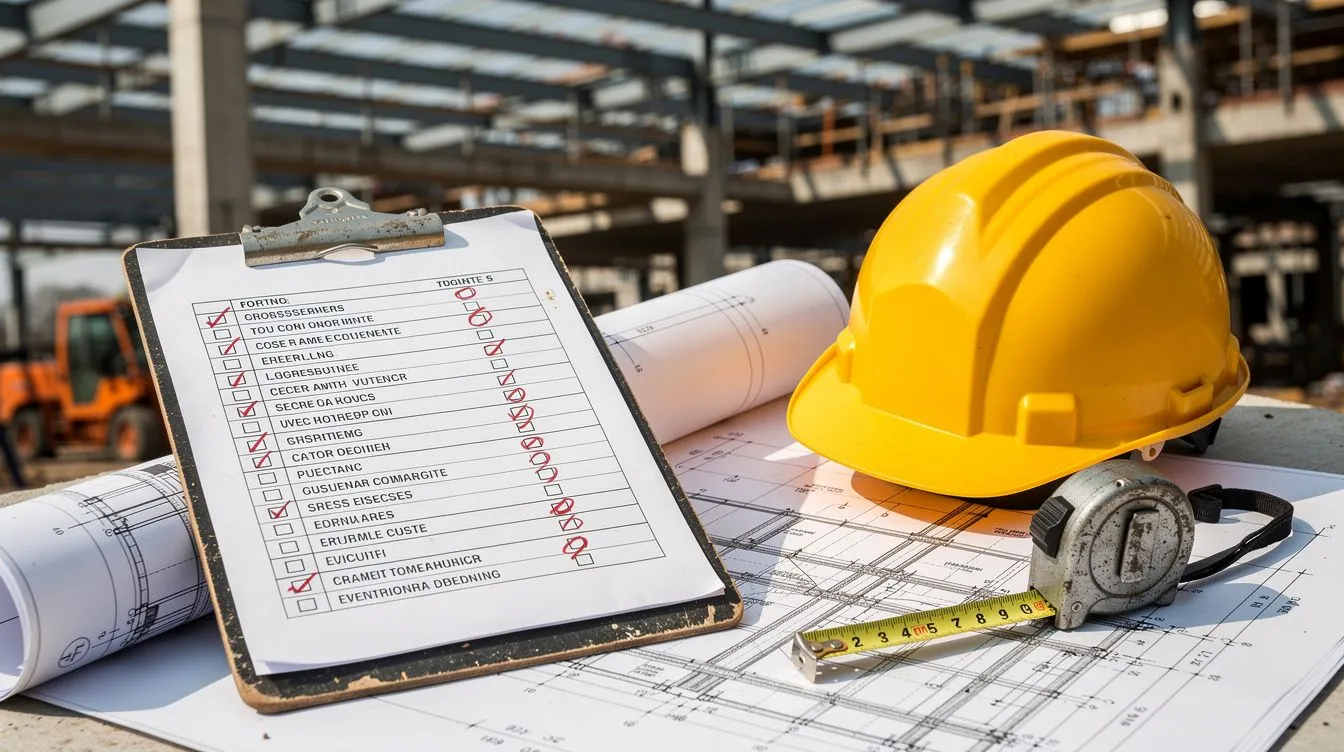
DCMA 14-Point Assessment: 14 Checks, Thresholds & Fixes
The DCMA 14-point assessment as a checklist: every check, its pass/fail threshold, and how to fix the failures reviewers flag most on P6 and MS Project files.
Read article → -
 Educational Guide 20 min
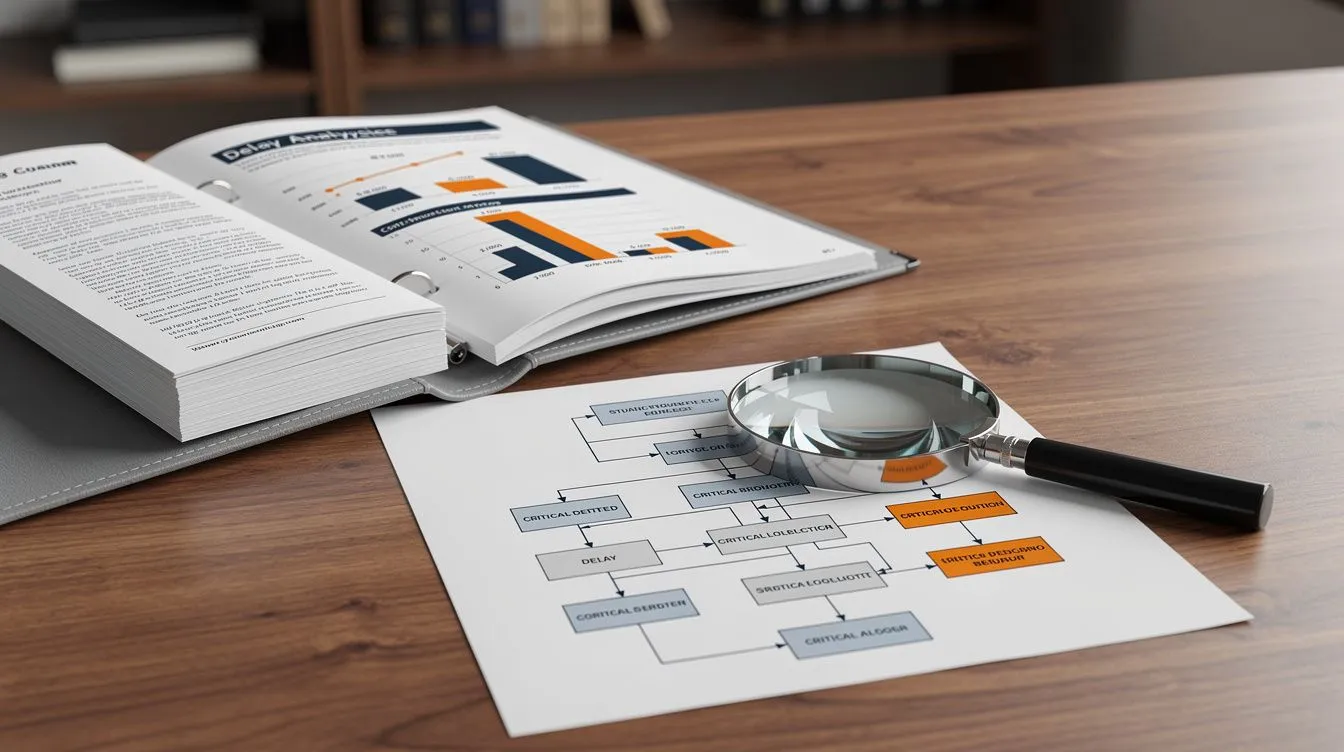
Extension of Time (EOT) Claim Analysis: Methods, Preparation & Review
How EOT claims are proven and assessed: the six delay analysis methods, AS 4000, JCT and NEC4 time bars, and what a superintendent checks before granting time.
Read article → -
 Educational Guide 18 min
Extension of Time Claim Process: Step-by-Step Guide for Contractors and Employers
How to claim an extension of time: notice, records, delay analysis, submission and assessment, with the time bars under AS 4000, JCT, NEC4 and FIDIC 2017.
Read article → -
 Educational Guide 15 min
How to Review a Contractor's Programme: Step-by-Step Guide with Checklist
The 7-step process for reviewing a contractor's baseline programme, from contractual compliance to schedule quality checks, with a practical review checklist.
Read article → -
 Educational Guide 13 min
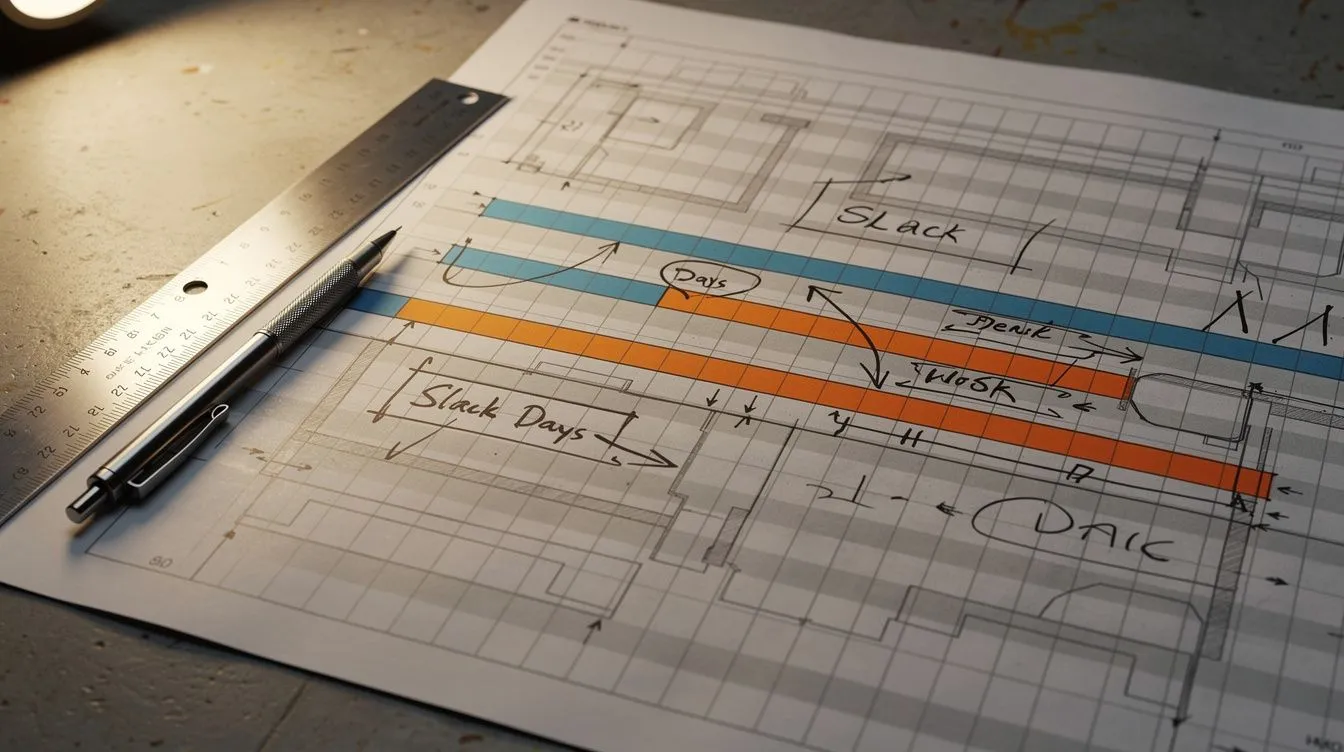
Total Float vs Free Float in Construction Scheduling: What They Mean and How to Use Them
The difference between total float and free float in construction scheduling, how to calculate them, and what negative float tells you about project risk.
Read article → -
 Educational Guide 14 min
XER File Analysis: How to Review P6 Schedules Without P6
How to open and analyse a Primavera P6 XER file without a P6 licence: what it contains, what to check, and how to run a full DCMA 14-Point quality review.
Read article → -
 Educational Guide 12 min
Construction Schedule Analysis: The Complete Guide to Methods, Steps & Tools
A complete guide to construction schedule analysis: the four core methods, a 7-step contractor review process, EOT claims, and the best tools for the job.
Read article →